Tomato and Bean Catalog- 2008
This year we will have 29 varieties of heirloom bean seeds for
sale. We will also have seeds of 5 heirloom tomato varieties (see
later discussion). Three beans from years past will be missing
due to poor growing conditions-the large Lazy Wife Greasy, the
Margaret Best Greasy, and Ora's Speckled Bean. New for the first
time this year will be: the Case Knife Bean, the Ram's Horn Bean,
the Old Joe Clark Bean, the Small Lazy Wife Greasy, the Brown
Tobacco Worm Bean, the Bill Leach Fall Bean, and the North Carolina
Speckled Long Greasy Cut-short.
The summer of 2007 was our toughest bean growing year since we
first started in 1963. At the same time it was our best tomato
growing year for the same reasons: a lot of hot and dry weather.
We staggered our bean plantings in order to keep different varieties
as isolated as possible, and weather conditions favored some and
destroyed others. For example, we had over six hundred feet of
Lazy Daisy beans planted and didn't get enough back to replenish
the seeds planted. (The Lazy Daisy is one of the premier greasy
beans.) They started blooming just at the time we had the hottest,
driest and least humid weather of the summer. Although the beans
were planted on plastic covered raised beds with drip irrigation
under the plastic, the 95 degree heat and, especially, low humidity
kept the young beans from getting more than an inch long before
they dehydrated and dropped off. The same thing happened to a
lesser degree to some of our other varieties.
Add to the weather problems our first ever real problems with
deer. A new neighbor across the road from our farm cut timber
from the 200 acres he had just purchased and the deer that typically
spent most of their time on his land moved over to ours. As a
result we lost rows of several varieties to deer before we even
knew we had a problem. The beans germinated and were eaten, completely,
before we knew what was happening.
Other beans that did reasonably well did not reach their full
size, but we will be running germination tests to make sure of
their viability. As a last resort for some varieties, we planted
several rows of selected varieties in our two greenhouses. Some
rows came on quite strong while those planted later did not do
well with the cloudy weather and short days of November. The ones
that did well were harvested the middle of December but seeds
will not be available until the end of January to make sure they
are properly dried out. Those varieties are noted with their descriptions.
Bean seed offerings this year will include:
Big John Bean:(Sold Out)
Grown in many counties in Eastern Kentucky; a large white-seeded
bean which remains tender even when the seeds are fully formed.
Available after January.
Jack Kelly Butterbean: a white seeded butterbean from
Eastern Kentucky.
Nickell Bean: Old fashioned white half-runner type from
the Nickell family in Morgan County, Kentucky. More slender than
most heirloom beans,
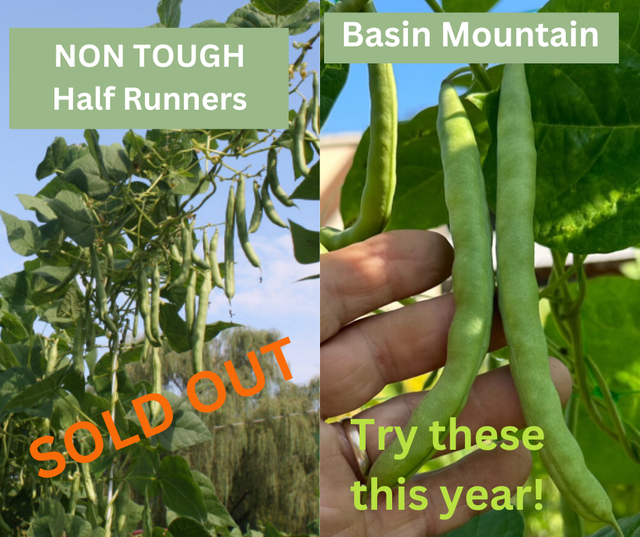
NT (non-tough) Half-Runner:(Sold
Out) Stabilized over many years by Bill Best, this
half runner is one of the most tender and flavorful beans available.
This is our best selling heirloom bean and an excellent choice
for making shuck beans because of its tender hull and large seeds.
Robe Mountain Bean:(Sold Out)
A mutant bean which originated over twenty-five years ago from
a small brown-speckled greasy bean However, this bean is a very
long white-seeded cornfield bean.
Seay Cut-Short:(Sold Out)
An heirloom white-seeded cut-short bean from Buncombe County,
North Carolina.
Available after January
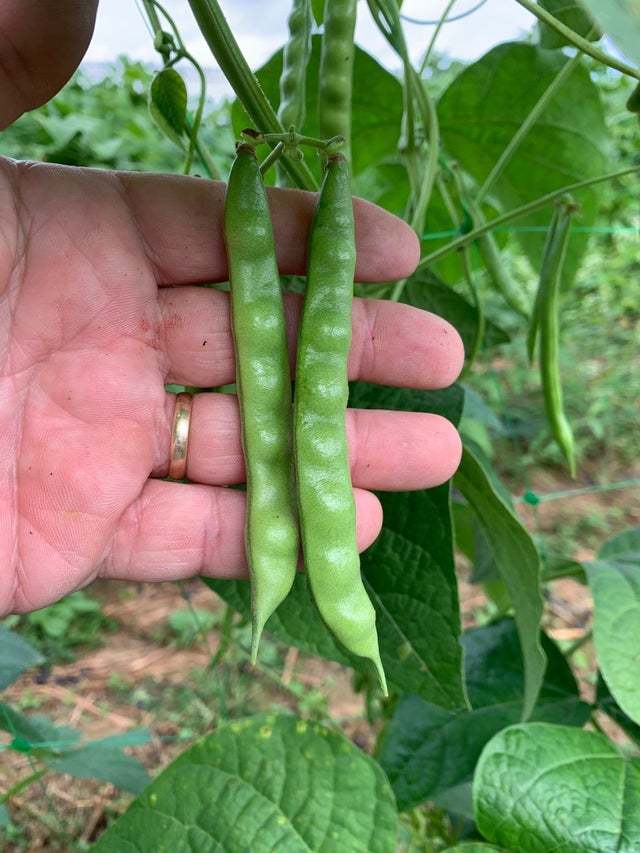
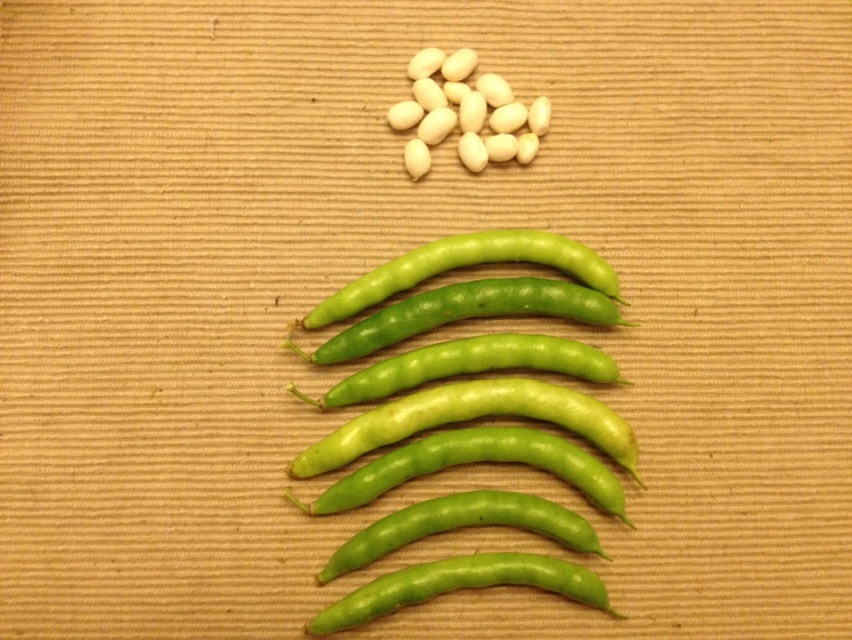
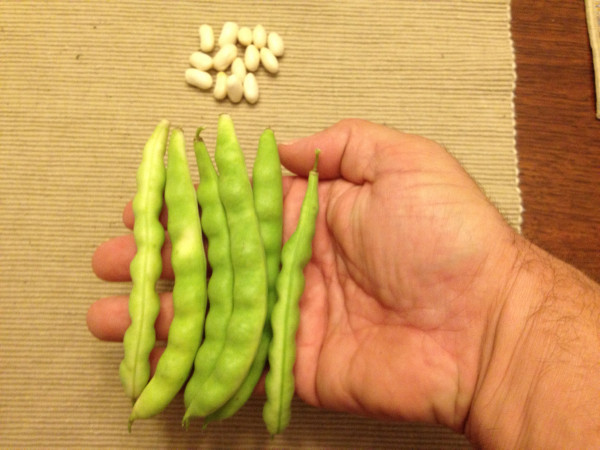
Striped Hull Greasy Cut-Short: From Jackson County, Kentucky,
this bean is tightly packed with squared-off white beans. It is
about three to four inches long and one of our best.
Tennessee Cornfield: A brown-seeded bean from Harold and
Bernease Wallace of Lexington, KY, this bean is originally from
the Cumberland Plateau area of central Tennessee.
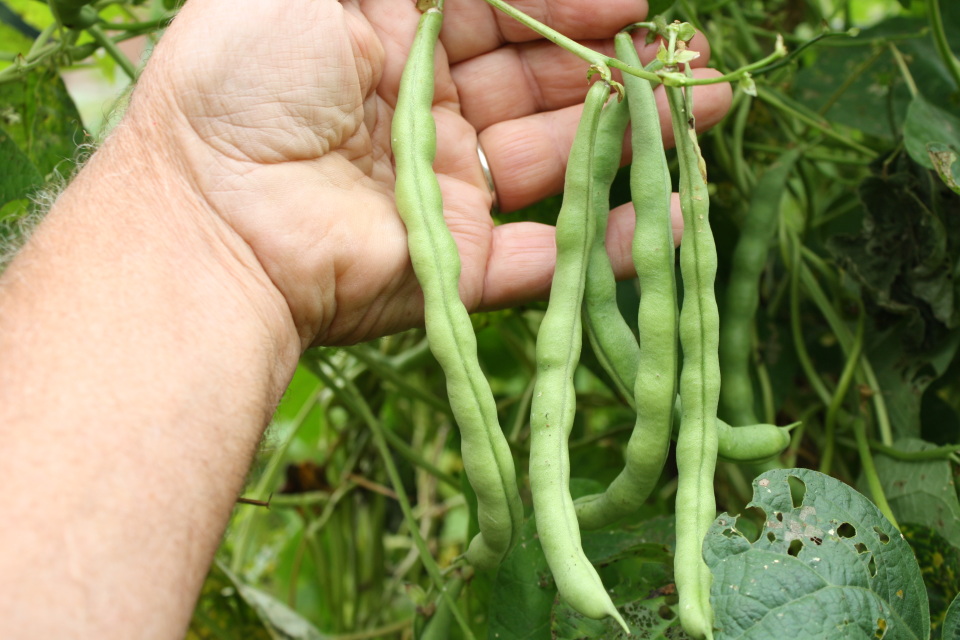
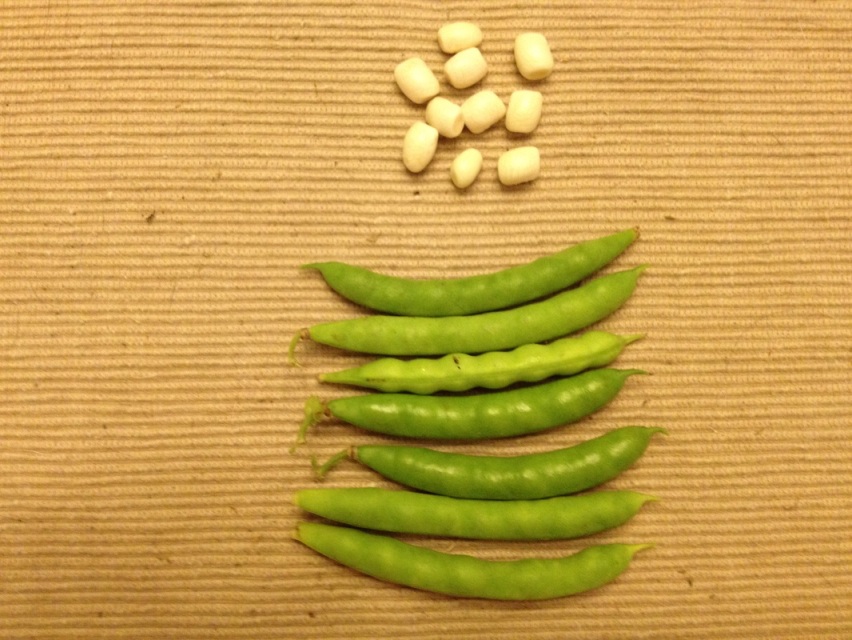
Tobacco Worm Bean: Another top-selling heirloom bean,
it is thought to have originated in the Estill/Lee County area
of Eastern Kentucky. The large beans inside the hull make it look
like a fat tobacco worm. It is one of the most plump and tender
heirloom beans.
Bertie Best Greasy Bean:(Sold
Out) From the Upper Crabtree community in Haywood County,
NC, this bean contains three colors-mostly white but with a few
brown and black beans. It has been in the Bertie Best family for
over 140 years. Available after January
Doyce Chambers Greasy Cut-Short:(Sold
Out) This is a long white-seeded greasy bean from the
Bethel area of Haywood County, North Carolina. It was grown many
years by Doyce Chambers.
Pink Tip Greasy:(Sold Out)
This bean is also from the Bethel area of Haywood County, NC,
and is an excellent greasy bean with a pink tip on the end. Limit
of one packet per customer
Barnes Mountain Cornfield Bean: From Barnes Mountain in
Estill County, Kentucky, this is a long, plump, white-seeded cornfield
bean of exceptional tenderness from Estill County, KY.
Cherokee Greasy:(Sold Out)
From the Cherokee Indians in Western North Carolina, this white-seeded
bean is one of the best. Limit of one packet per customer
Dade Bean:(Sold Out)
This is a long cornfield bean from the Cumberland Plateau area
of Tennessee.
Edwards Bean: This is a brown striped bean from the Edwards
family in Jackson County, KY and is very flavorful and tender.
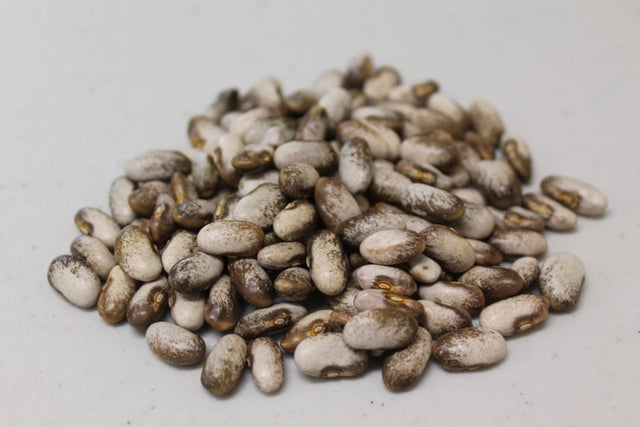
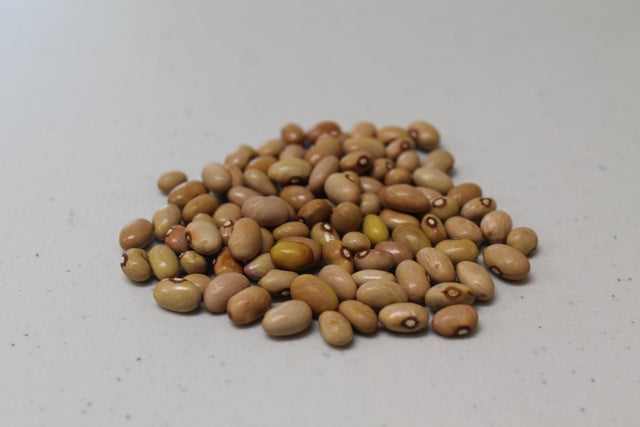
Goose Bean: This is a deep beige bean grown throughout
Eastern Kentucky and parts of adjoining states. The original seeds
were supposedly taken from the craw of a wild goose. The bean
is popular over a wide area.
Turkey Craw Bean: This is a brownish cornfield bean with
a buff end. It is grown in the Cumberland Gap area of Kentucky,
Virginia, and Tennessee and popular over a wide area. The original
seeds supposedly came from the craw of a wild turkey.
Grady Bailly Greasy: This is a white-seeded greasy bean
from Polk County, North Carolina. It is a very tender bean with
large seeds.
Mary Moore Greasy: This is a fairly short white-seeded
greasy bean from Jackson County, Kentucky. Available after
January of 2008
Rose Bean:(Sold Out)
A large cornfield bean named after the Rose family in the Panola
community of Madison County, KY, this bean is blue speckled in
color and very tender.
Anna Robe-Terry Bean: This bean is white seeded and very
tender. It comes as two variants that have not yet been stabilized
as two separate beans. From Anna Robe-Terry in West Virginia
Additional beans are being offered this year for the first
time:
Brown Tobacco Worm Bean: This is a light brown bean similar
in size to the white Tobacco Worm Bean. Given me by Sam Baker
of Dry Branch Road in Estill County, Kentucky, it is also from
the Estill/Lee County area of Eastern Kentucky.
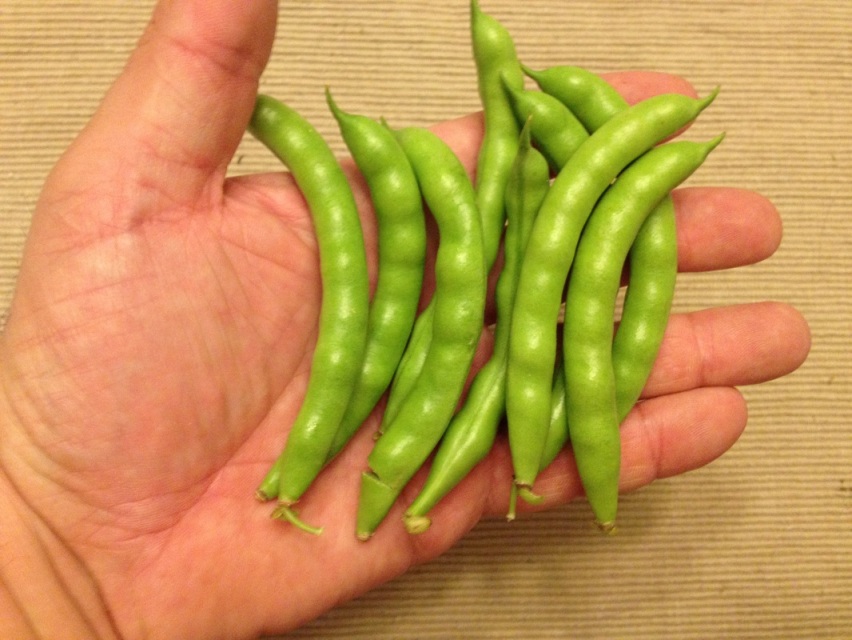
Ram's Horn Bean: This is a very slender and tender bean
that has a distinctive hook on the end.
Old Joe Clark Bean: (Sold
Out)This bean is also sometimes known as the Peanut
bean and also as the Pink Half-Runner. It is an early bean with
short runners and does best if supported in some fashion. One
packet per customer
Case Knife Bean: This is a white bean that resembles a
Case knife. There is also a brown-seeded Case Knife Bean which
we hope to have available next year.
Small Lazy Wife Greasy: This bean is from the same area
in Madison County, North Carolina where the Lazy Wife Bean is
found but smaller and less curved.
Bill Leach Fall Bean: From the extended family of Bill
Leach in Harlan County, KY this is the first time we have offered
a Fall Bean. Fall Beans are also known in some areas as October
Beans. This bean is white and stringless. We hope to have other
Fall Beans available next year. Limit one packet per order
North Carolina Speckled Long Greasy Cut-Short. This is
one of the favorite beans of the Western Carolina Farmers Market.
It is one of the longer greasy beans and somewhat tan with darker
brown specks. It is also very tender.
Tomato Seed Offerings this year will include:
Vinson Watts Tomato: Offered the first time last year,
this tomato has proven to be quite popular with many people. Vinson
Watts has been improving his namesake tomato for fifty-two summers.
The original seed stock was from Lee County, Virginia and given
to him by his work supervisor at Berea College. Those interested
in the story of this tomato can look it up on the internet since
several articles have been written about Vinson Watts and his
tomato. The tomato is a large pink tomato flavored with an excellent
balance of sugars and acids
Margaret Best Yellow Tommy Toe: Grown for many years by
Margaret Best of Haywood County, NC, this yellow cherry type tomato
is more acid than most modern hybrid yellow cherry tomatoes. It
will dominate a salad and is also good for snacks.
John Allen Yellow German: This small yellow German tomato
has the yellow color and red stripes of its larger cousins but
weighs only five to six ounces on average. It has the sweet flavor
of the other yellow German types but is small enough to eat without
having to keep part of it for another meal. It is thought to be
an Amish heirloom.
Black Pear: This is one of the best of the black tomatoes.
It is pear shaped with a complex flavor and six to eight ounces
in size.
Yellow Pear: This is one of the old-time favorites for
preserving (canning or pickling) and has a good flavor in salads
or when eaten raw.
Ordering Instructions:
Send us a letter requesting the varieties of bean and tomatoes
seeds you want to purchase and how many packets of each variety
you wish to have along with your return address. We require payment
before the seeds are shipped and will need a check or money order
made out to SMAC. (Sorry, we don't accept credit card orders.)
Mail your order to the following address:
SMAC
1033 Pilot Knob Cemetery Road
Berea, KY 40403
Beans are $6.00 per packet which includes packaging and postage.
Packets of 100 seeds of any variety of beans except the Goose
Bean or the Rose Bean contain 100 seeds. Packets of the Goose
Bean contain fifty seeds while packets of the Rose Bean contain
seventy five seeds.
Tomato seeds are $4.00 per packet for thirty plus seeds which
includes packaging and postage.
In case we have run out of a particular variety of bean or tomato,
please include a phone number or e-mail address so that we may
contact you to see if you want a refund or a substitution.
Please note that we are a not-for-profit organization and
all of the money made from our seed distribution goes to help
pay for the interns working for us each summer. If you have questions
or comments, please e-mail me at bill_best@heirlooms.org (bill_best@heirlooms.org)
or call me at 859-986-3204 after 8:00 p.m. eastern time. My mailing
address is:
Bill Best
1033 Pilot Knob Cemetery Road
Berea, Kentucky 40403
Note:
We have been collecting Appalachian heirloom beans for over thirty
years. Many of them are regional beans, but the vast majority
are family beans which have been in families for generations.
We don't always acquire them in a pure state so you might find
some beans in your garden that do not appear to be true to form.
When you are saving seeds (as we hope you do) to plant the following
summer, try to keep those plants isolated as much as possible
and save those that are most true to form. On the other hand,
if you have a bean that is notably different from the others,
you might wish to save it separately since it might be a true
breeding cross or mutation. Such is the way new varieties come
about. We have found it best to store bean seeds in a refrigerator
or freezer in an airtight container. If allowed to become too
warm, they might become infested with bean weevils and this can
become a serious problem.
Also note that our Goose Beans, which are more prone to cross
than other beans, were grown in complete isolation this year by
Michael Best and his daughters, Sarah and Anita, in Cookeville,
Tennessee where he is an agricultural economics professor at Tennessee
Tech.